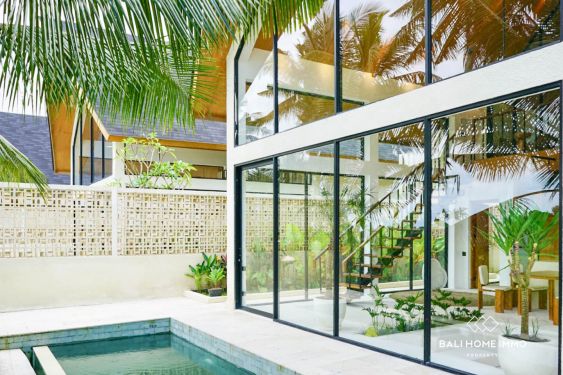
Ubud.
Wellness demand with distance and access trade-offs
Ubud villas can produce strong guest demand when the product matches the market: privacy, jungle outlooks, wellness positioning, and thoughtful design. The risk is that Ubud is not one market. A villa near restaurants and retreats underwrites differently from a remote jungle property with difficult access. Our Ubud audits stress-test Bali villa ROI through nightly rates, occupancy, operating costs, and lease depreciation so buyers can compare the income case across very different micro-locations.
- 01Global wellness and retreat demand supports differentiated villas
- 02Privacy, views, and larger land parcels can justify premium rates
- 03Less beach-driven seasonality than some coastal markets
- 04Strong fit for owner-use plus rental hybrid strategies
- 01Remote access can limit occupancy and increase management friction
- 02Moisture, maintenance, and jungle setting can raise operating costs
- 03Rates vary sharply by design quality and proximity to central Ubud
- 04Not every guest wants a long drive from beaches or airport access
How Ubud ROI is stress-tested
Every Ubud villa audit uses the same Bali villa ROI model: estimated nightly rate, area occupancy, a 40% operating-cost load, and lease depreciation for leasehold villas. That keeps Ubudyields comparable with Canggu, Uluwatu, Seminyak, Sanur, and the rest of the BVT ledger.
Audited villas in Ubud
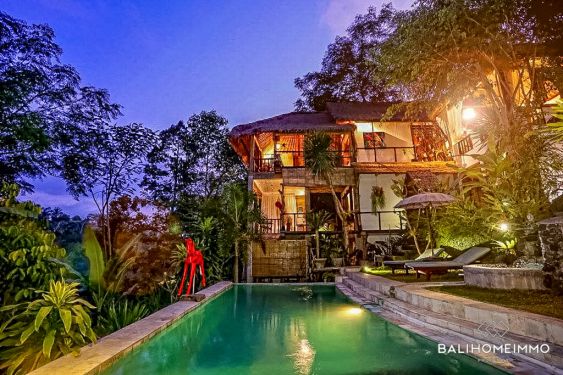
5 Bedroom Villa for Sale Freehold in Bali Gianyar Tampak Siring
Flag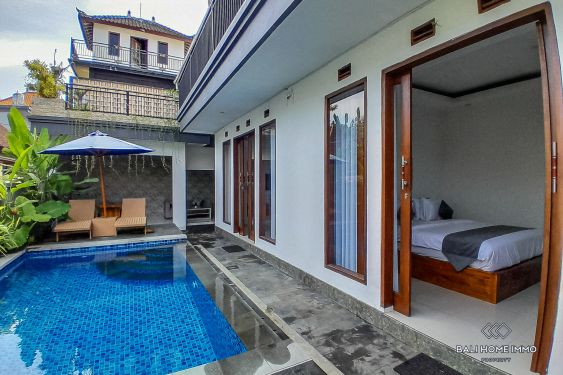
3 Bedroom Villa For Sale and Rent Near Ubud
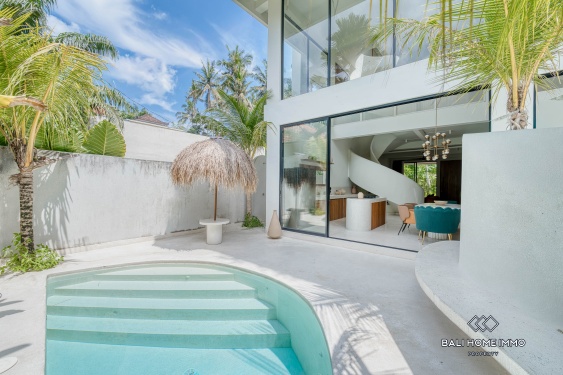
Modern 4 Bedroom Villa with Private Rice Field View for Sale and Rent in Ubud

Unfurnished 3 Bedrooms Villa with jungle view for sale in Pejeng
Flag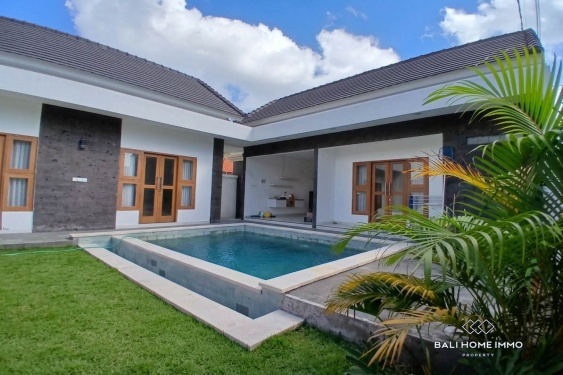
Stunning modern 3 bedroom villa for sale in Sayan Ubud
Flag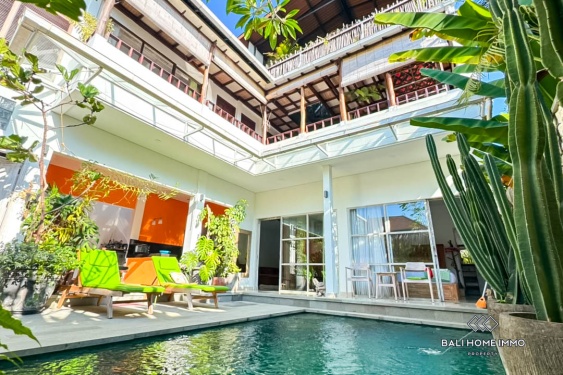
3 Bedrooms Pink Zone Villa For Sale In Andong Ubud
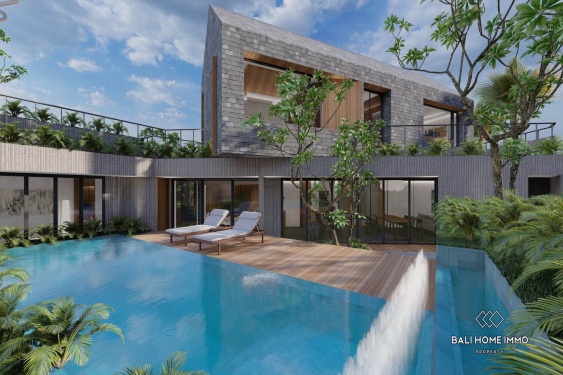
OFF-PLAN 4 BEDROOMS MODERN VILLA IN UBUD
Flag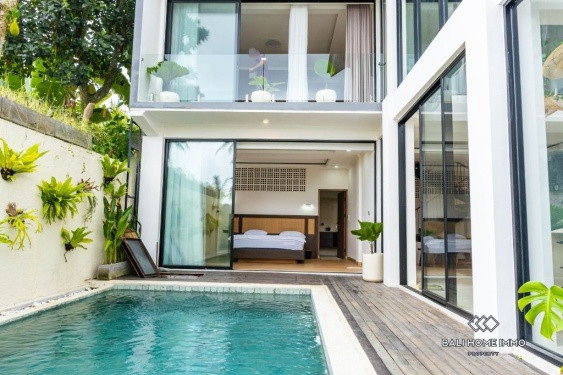
Brand New 3 Bedrooms Modern Villa for sale in Pejeng
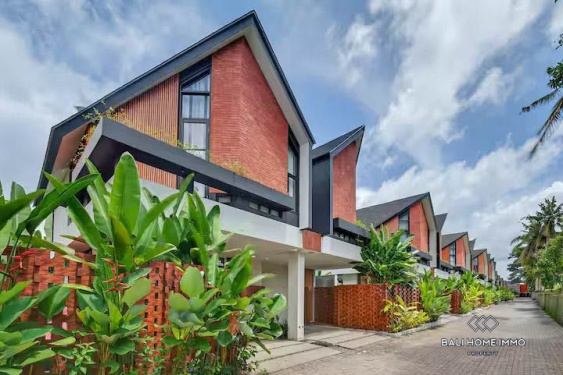
2 Bedroom Villa For Sale in Ubud
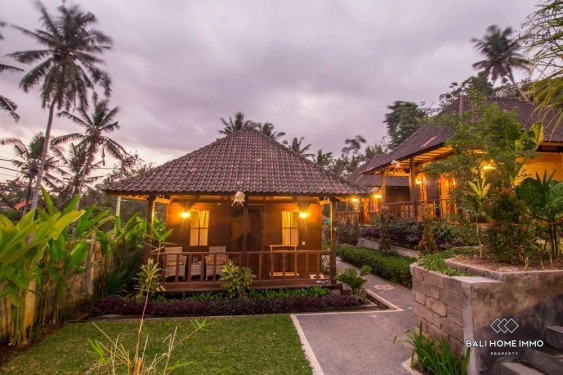
5 bedroom Investment Villa for sale in Ubud
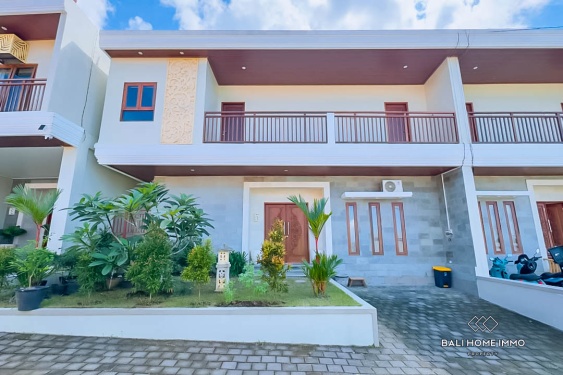
2 bedroom villa with ricefield view for sale in Ubud
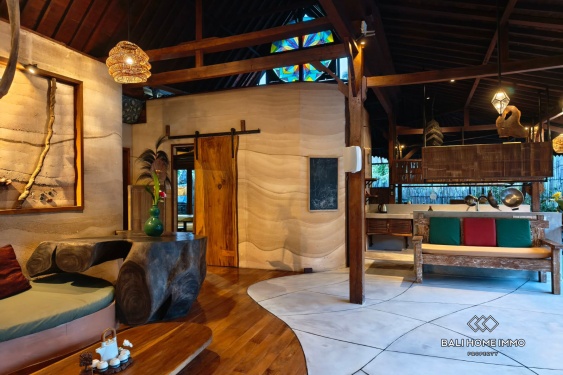
Charming 4 bedroom villa for sale and rent in Ubud
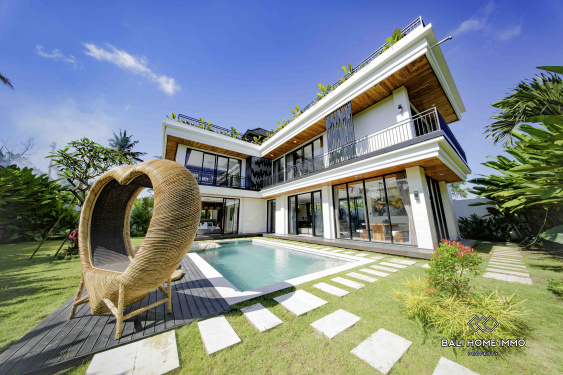
Stunning 5 Bedroom villa for sale and rent in Bali Ubud
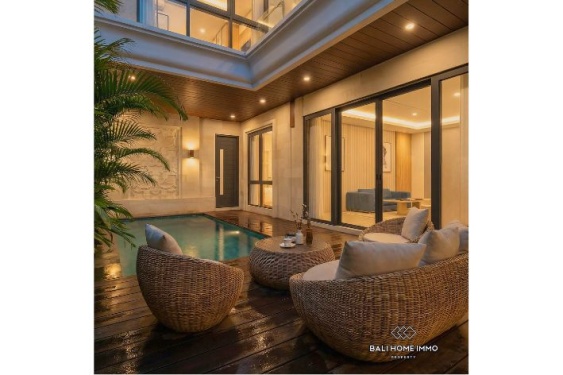
Off-plan 4 bedroom villa with ricefield view for sale in Ubud
Flag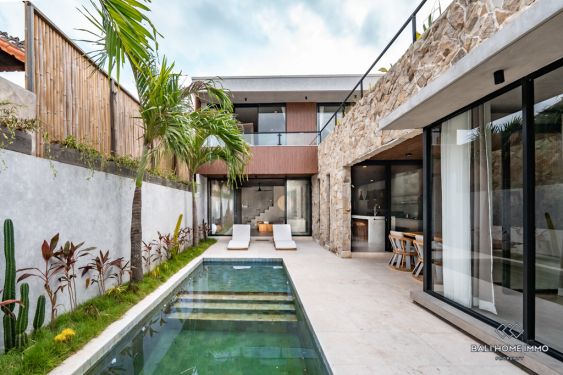
Ricefield View 3 Bedroom Villa for Sale in Bali Ubud
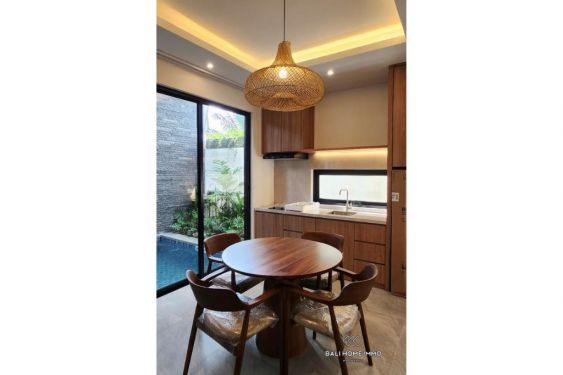
Brand new 3 Bedroom Villa for Sale and Leasehold in Bali Ubud
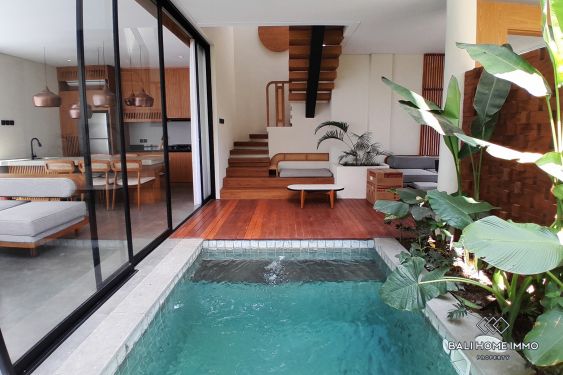
3 Bedroom Minimalist Villa For Sale and Rental in a Private Complex of Ubud
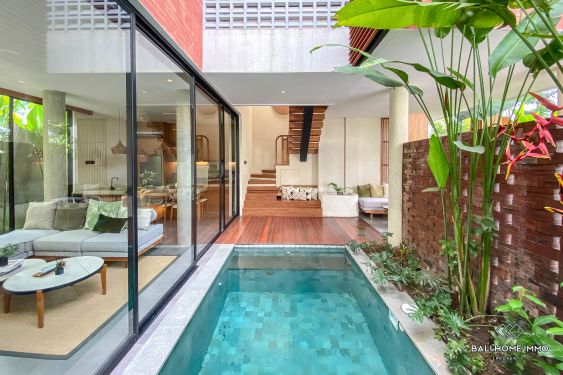
Brand New 3 Bedroom villa for sale in Bali Ubud Bali
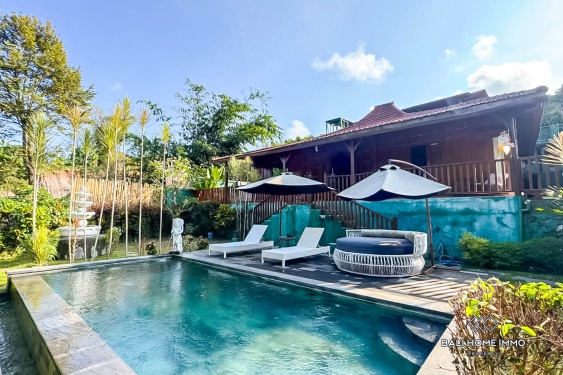
3 BEDROOMS VILLA WITH RIVER VIEW IN SUKAWATI